Is Neuro-Balance Therapy Safe? – Side Effects, Warnings, and Who Should Avoid It
Thinking about whether Neuro‑Balance Therapy is truly safe for you? Before trying any new brain or wellness program, it’s important to understand potential side effects, warnings, and who should avoid it—especially if you have specific health concerns. Neuro‑Balance Therapy claims to support mental clarity, balance, and overall well‑being, but knowing the risks and precautions can help you make a confident decision.
In this complete safety review, we’ll break down reported side effects, share important warnings, explain who might want to skip it, and help you decide whether Neuro‑Balance Therapy is a good fit for your health.
👉 Don’t wait — Order Neuro-Balance Therapy from the Official Site
Quick Recap: What Is Neuro-Balance Therapy?
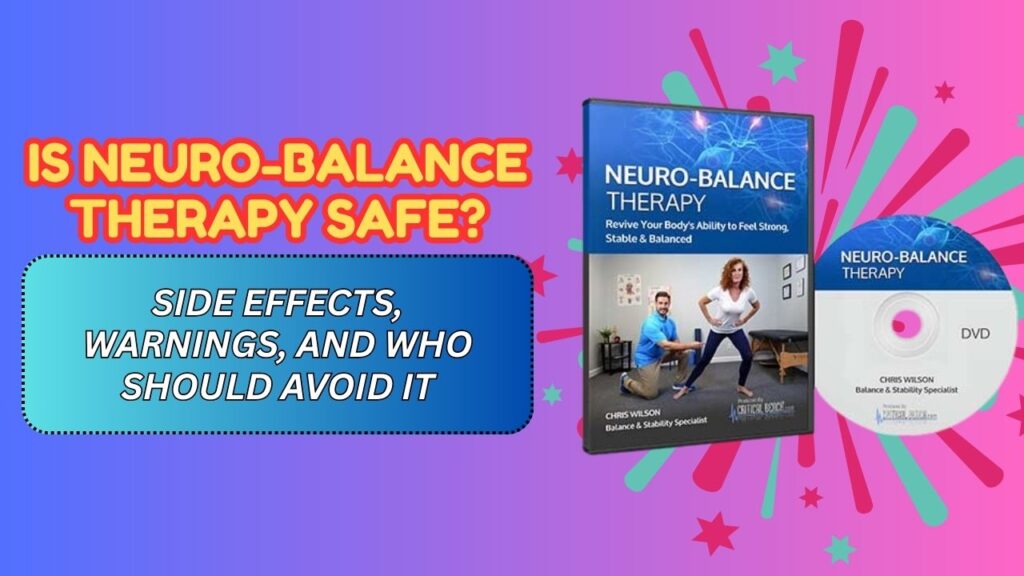
Neuro-Balance Therapy is a home-based balance training program designed to help improve stability and coordination through targeted exercises.
The program focuses on stimulating the peroneal nerve, a nerve located along the lower leg that plays a crucial role in maintaining balance and controlling foot movement.
When this nerve becomes weak or less responsive, people may experience:
- Poor balance
- Difficulty walking steadily
- Increased risk of falling
- Reduced confidence while moving
Neuro-Balance Therapy attempts to improve these issues through daily exercises and nerve stimulation techniques.
The program typically includes:
- Step-by-step instructional videos
- Guided balance exercises
- A spike ball nerve stimulation tool
- Training manuals and guides
Most routines take only 10–15 minutes per day, making the program easy to follow consistently.
👉 Don’t wait — Order Neuro-Balance Therapy from the Official Site
Neuro-Balance Therapy Safety Overview
Overall, Neuro-Balance Therapy is considered a low-risk program because it focuses on gentle physical activity rather than medications or invasive treatments.
The program uses:
- Low-impact exercises
- Gradual balance training
- Nerve stimulation techniques
Since there are no drugs or supplements involved, the program avoids the typical side effects associated with medications.
Most users can perform the exercises safely at home without special equipment.
However, like any physical activity program, it’s still important to understand possible reactions and precautions.
Possible Side Effects of Neuro-Balance Therapy
Although the program is generally safe, some users may experience mild physical effects when first starting.
Mild Muscle Soreness
When beginning the program, some users may feel mild soreness in the legs or feet.
This happens because:
- Muscles are being activated after long periods of inactivity
- The body is adapting to new movements
This type of soreness is similar to what people experience when starting a new workout routine and usually disappears within a few days.
Foot Sensitivity from the Spike Ball
The spike ball tool used in the program is designed to stimulate nerves in the foot.
During the first few sessions, some users may notice:
- Slight foot sensitivity
- Tingling sensations
- Mild discomfort
These sensations are typically temporary and decrease as the body adapts.
Temporary Fatigue
Some users may feel mild fatigue after the first few sessions because the exercises activate muscles and nerves that may not have been used regularly.
This effect is generally short-lived and improves as strength and balance develop.
Why Neuro-Balance Therapy Is Considered Low Risk
Several factors make the program relatively safe compared to other health solutions.
Low-Impact Exercises
The exercises are designed to be gentle and controlled, reducing the risk of strain or injury.
They focus on slow, deliberate movements rather than intense workouts.
Short Daily Sessions
Most routines last only 10–15 minutes, which helps prevent overexertion and makes it easier to maintain consistency.
Gradual Progression
The program introduces exercises in stages, starting with beginner movements and gradually increasing difficulty.
This allows the body to adapt safely.
No Medications or Supplements
Because Neuro-Balance Therapy doesn’t involve drugs or chemicals, it avoids many common medication-related risks.
Important Warnings Before Starting
Even though the program is generally safe, some precautions should still be taken.
Consult a Doctor If You Have Medical Conditions
People with certain medical conditions should consult a healthcare professional before starting the program.
These conditions may include:
- Severe neurological disorders
- Advanced arthritis
- Serious joint problems
- Recent surgeries
A medical professional can determine whether the exercises are appropriate for your situation.
Avoid Exercises During Injury Recovery
Individuals recovering from injuries should wait until they are fully healed before performing balance exercises.
Starting too early could cause discomfort or slow recovery.
Use Support When Practicing
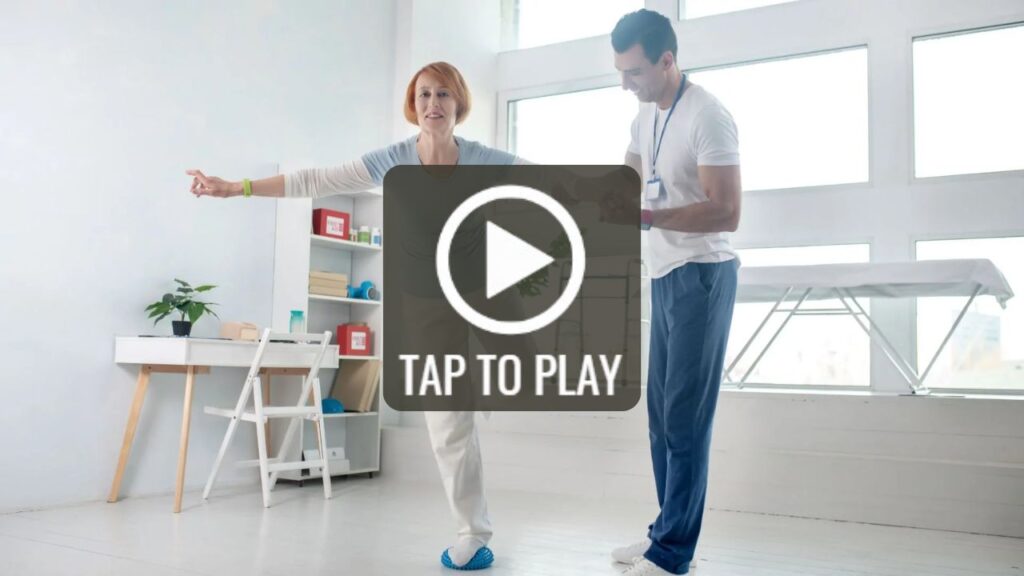
When beginning the program, it’s recommended to perform exercises near a stable surface such as a chair or wall.
This provides support in case balance becomes unstable during early sessions.
Who Should Avoid Neuro-Balance Therapy?
While many people can safely use the program, certain individuals may need to avoid it or seek professional guidance first.
Individuals with Severe Neurological Disorders
Serious neurological conditions may require supervised physical therapy rather than a home exercise program.
People Recovering from Recent Surgery
Post-surgical recovery often requires medically supervised rehabilitation.
Individuals with Severe Balance Disorders
People with significant balance issues caused by medical conditions should seek professional treatment before attempting self-guided programs.
Those Experiencing Acute Pain or Injury
Anyone with current foot, ankle, knee, or leg injuries should wait until the injury heals before starting the exercises.

Tips for Using Neuro-Balance Therapy Safely
Following a few simple guidelines can help reduce risk and maximize results.
Start Slowly
Begin with the beginner exercises and progress gradually through the program.
Practice Near Support
Use a sturdy chair, wall, or railing for support while learning the movements.
Listen to Your Body
If you experience pain, dizziness, or discomfort, stop exercising and rest.
Stay Consistent
Consistency allows the body to adapt gradually and safely.
Maintain Good Posture
Proper posture helps maintain stability and reduces strain during exercises.
Common Mistakes That Can Increase Risk
Some mistakes can make the program less effective or increase the chance of discomfort.
Skipping the Beginner Stage
Jumping directly into advanced exercises can increase strain and reduce stability.
Performing Exercises Too Quickly
Balance exercises should be done slowly and with control.
Ignoring Pain Signals
Pushing through pain can increase the risk of injury.
Stopping the Program Too Early
Many improvements occur after several weeks of consistent practice.
Pricing & Best Deals (2026)
Based on the latest official pricing, Neuro-Balance Therapy offers two main purchase options.
| Package | Price | What You Get | Shipping |
|---|---|---|---|
| Digital Version | Instant access to the digital program and bonuses | Free | |
| Physical DVD + Spike Ball (Best Seller) | DVD program + spike ball tool + free digital access | Shipping & handling |
Savings: Up to $50 off the regular price.
Refund Policy
Neuro-Balance Therapy includes a 60-day money-back guarantee.
If customers are not satisfied with the program within 60 days, they can request a full refund.
This allows users to try the program with minimal financial risk.
👉 Don’t wait — Order Neuro-Balance Therapy from the Official Site
Final Verdict: Is Neuro-Balance Therapy Safe?
For most healthy adults, Neuro-Balance Therapy appears to be a safe and low-risk balance training program.
Because it focuses on gentle exercises rather than medications, serious side effects are very unlikely.
Safety Benefits
✅ Low-impact exercises
✅ No drugs or supplements
✅ Beginner-friendly training system
✅ Gradual exercise progression
Possible Minor Effects
⚠ Mild muscle soreness
⚠ Temporary foot sensitivity
⚠ Adjustment period during early sessions
Final Thoughts
Maintaining balance is essential for staying active and independent, especially as people age.
Neuro-Balance Therapy provides a simple approach to balance training that can be done at home in just a few minutes each day.
When performed correctly and with proper precautions, the program can be a safe way to strengthen stability, improve coordination, and reduce the risk of falls.
👉 Don’t wait — Order Neuro-Balance Therapy from the Official Site